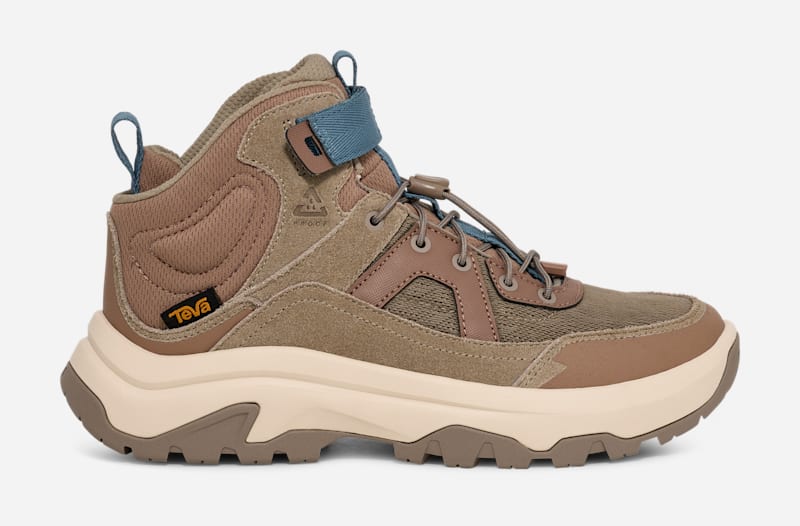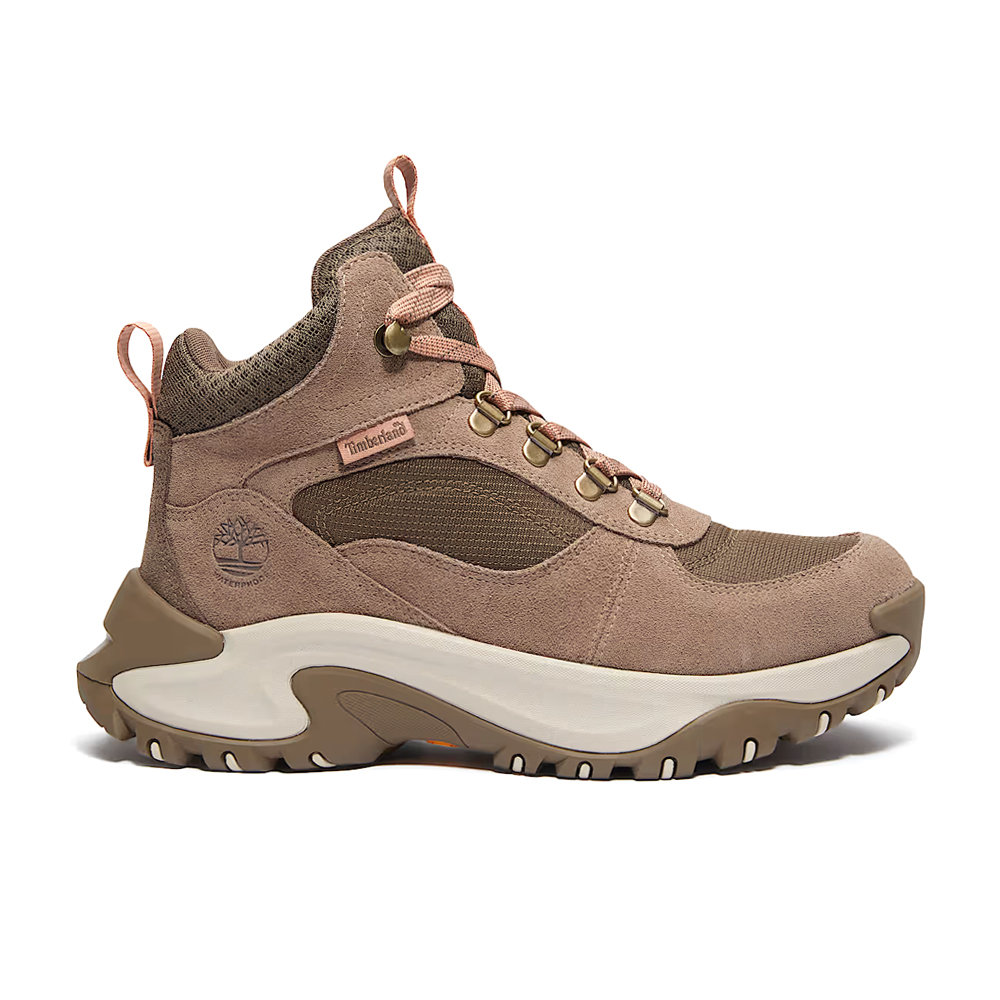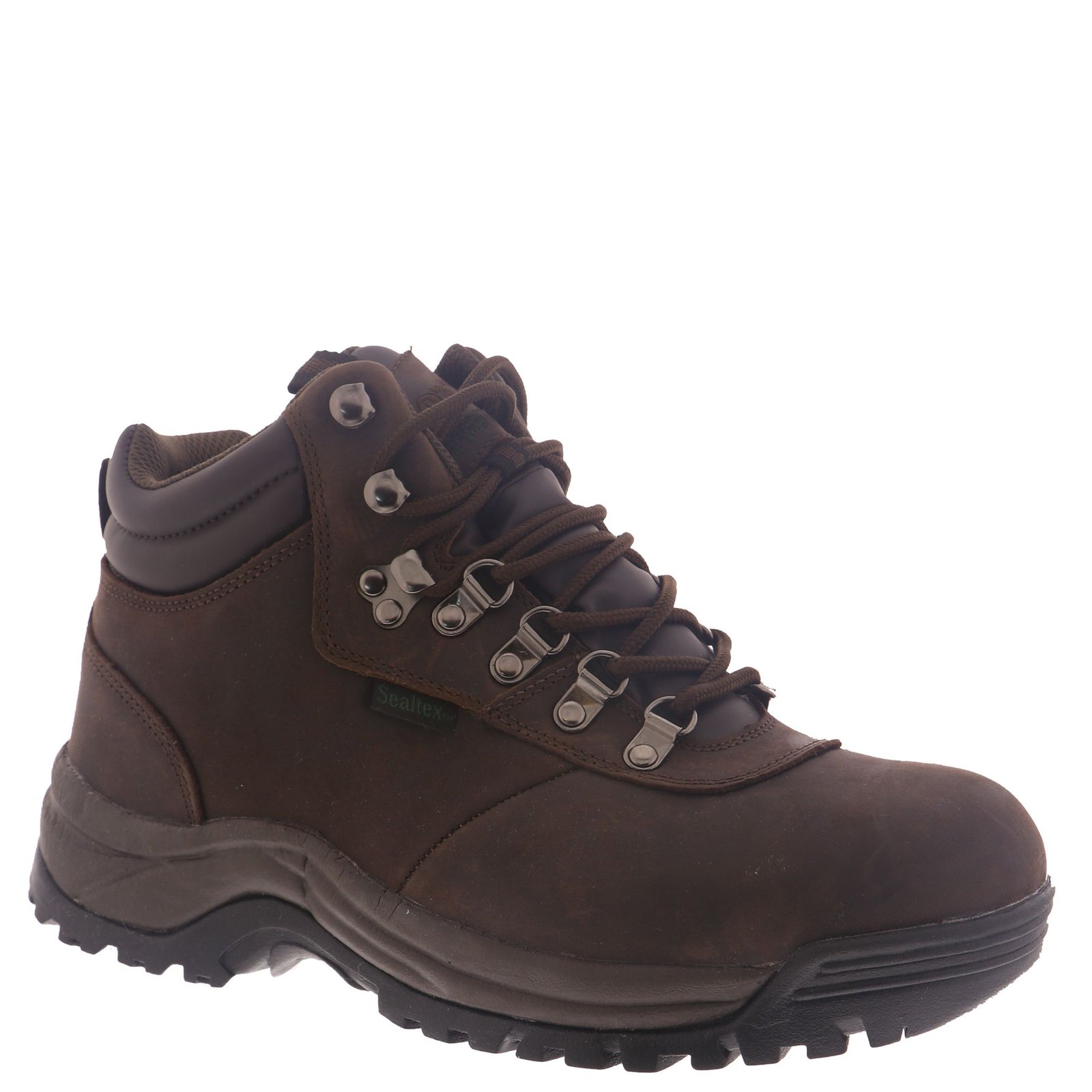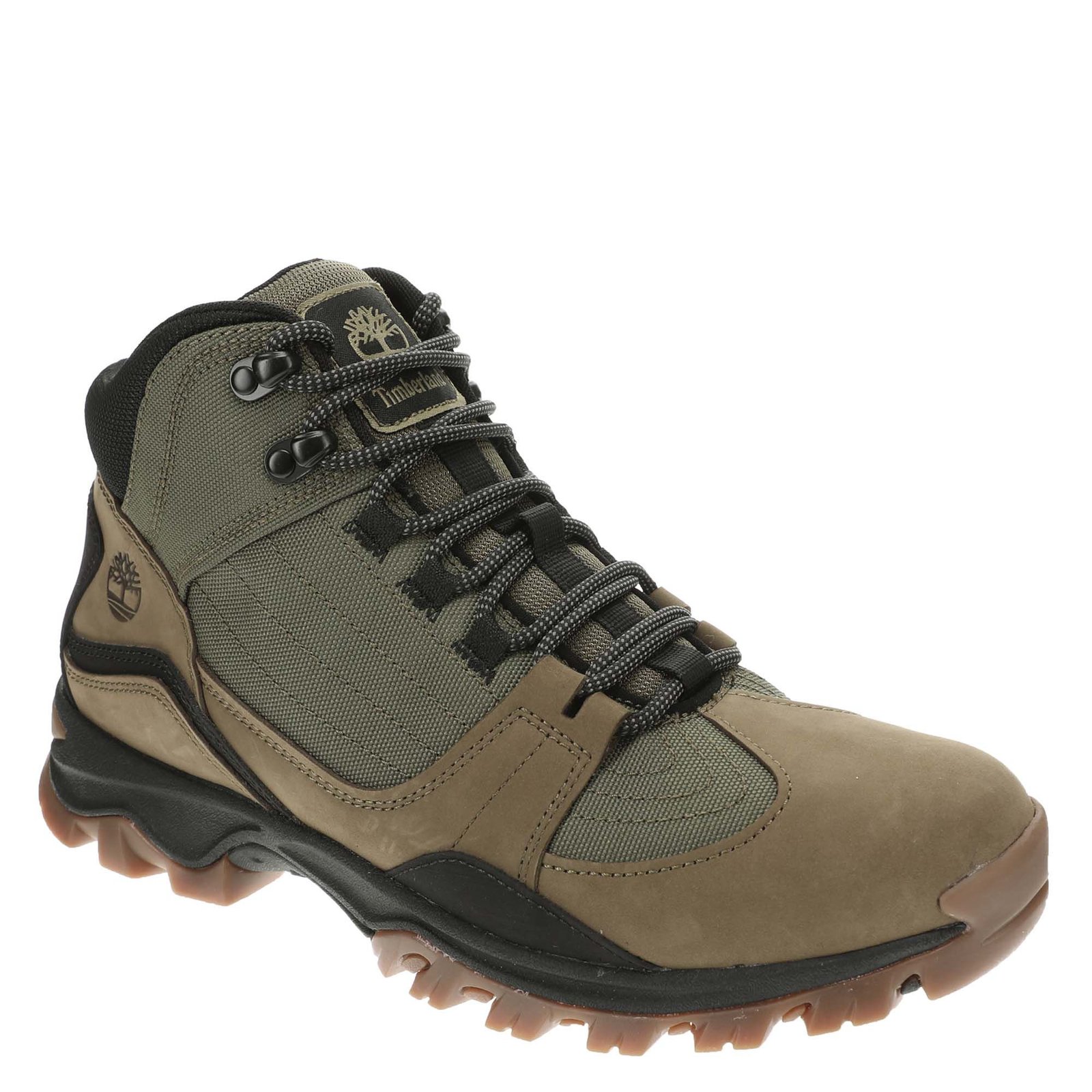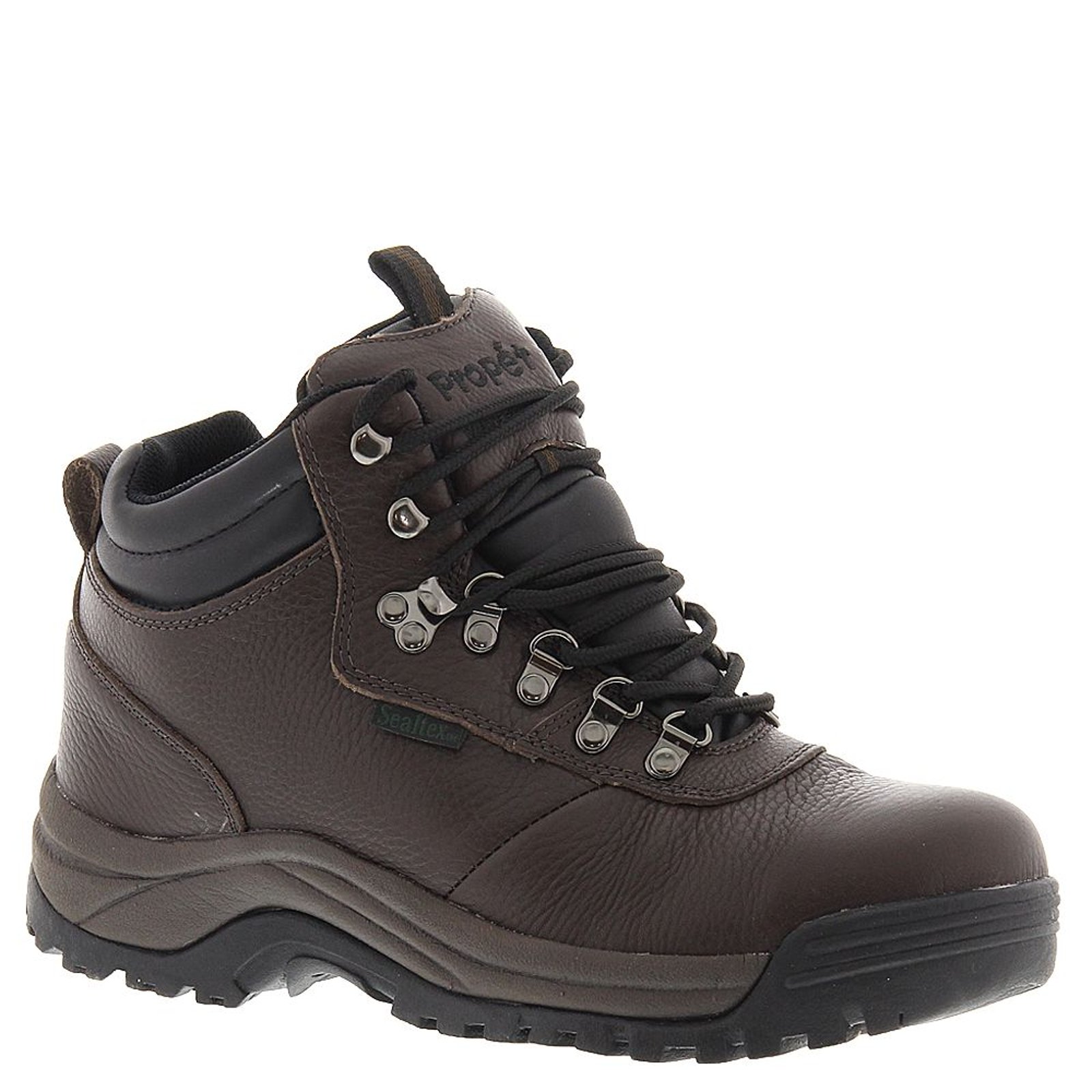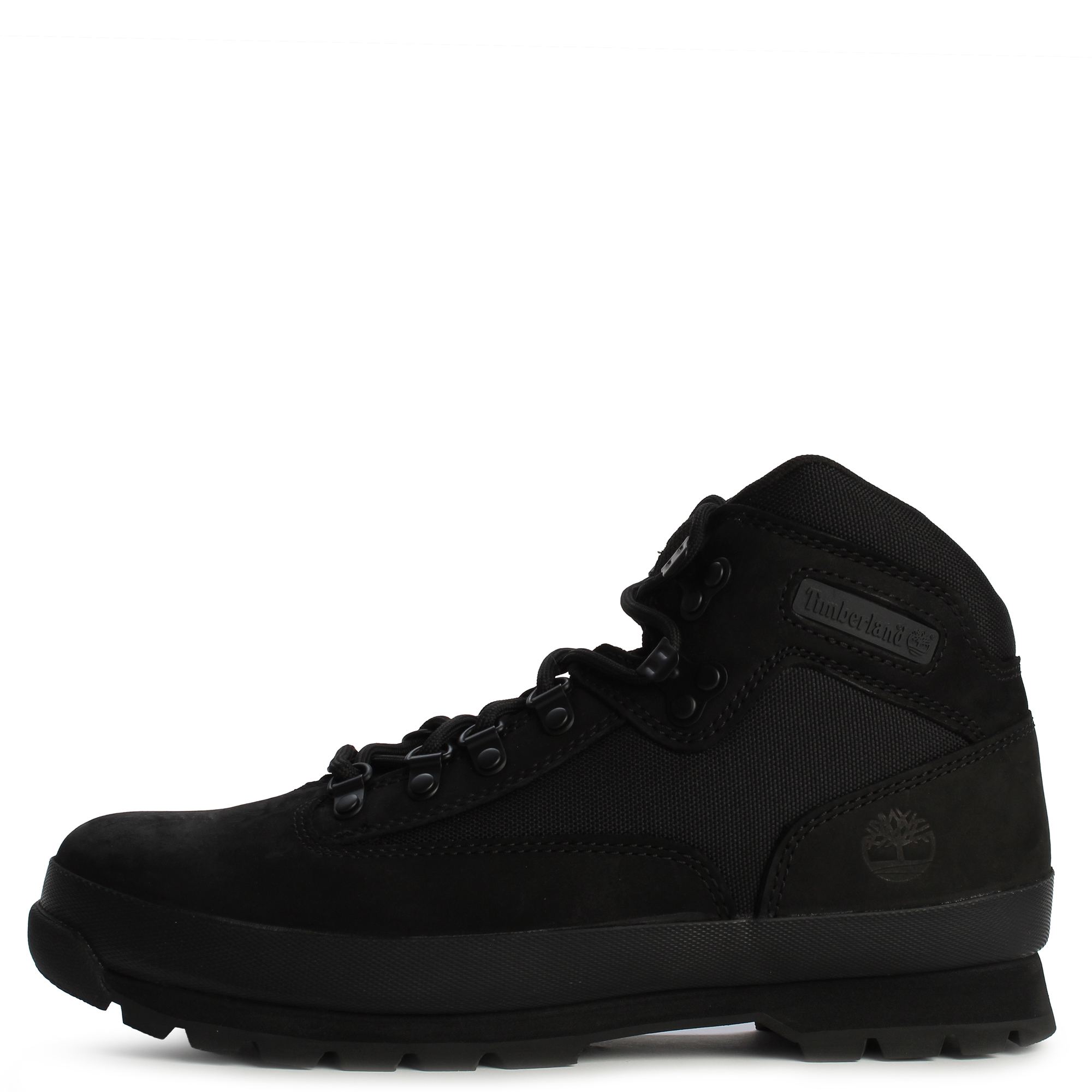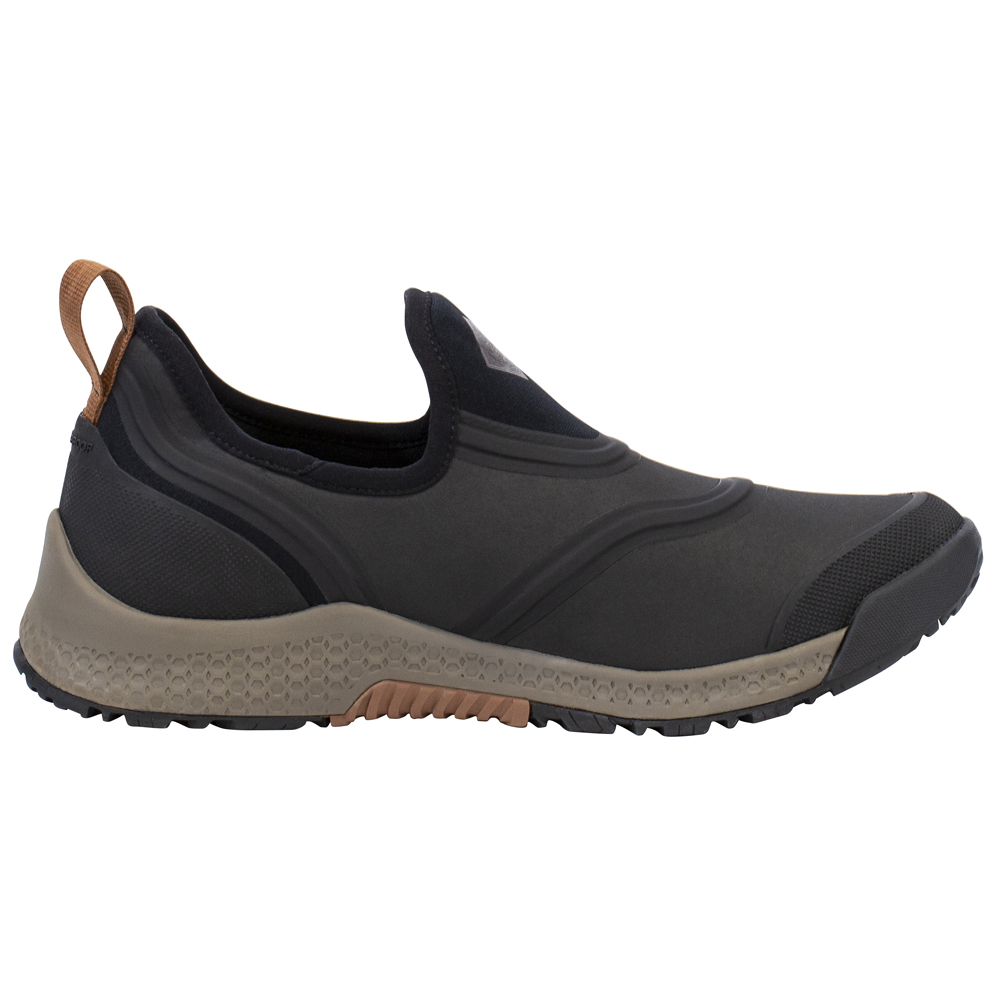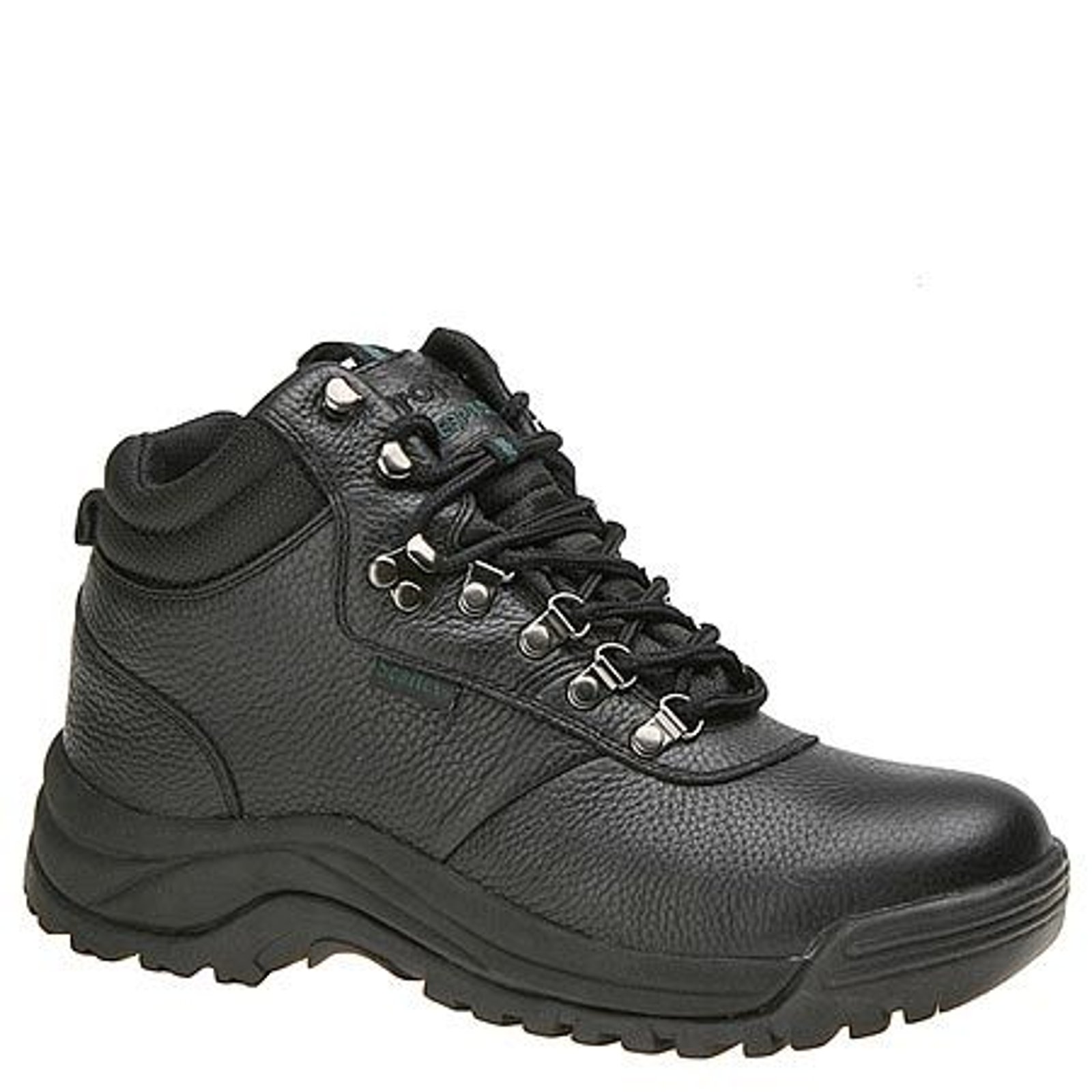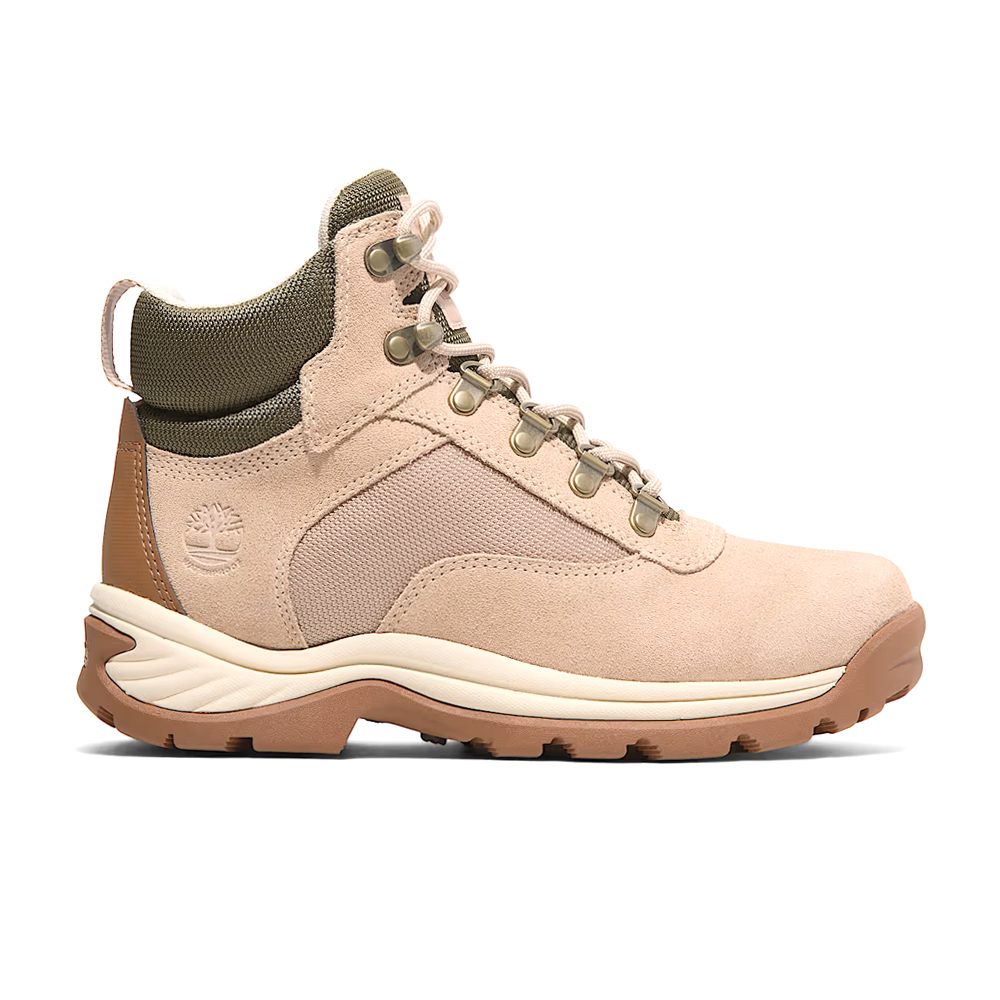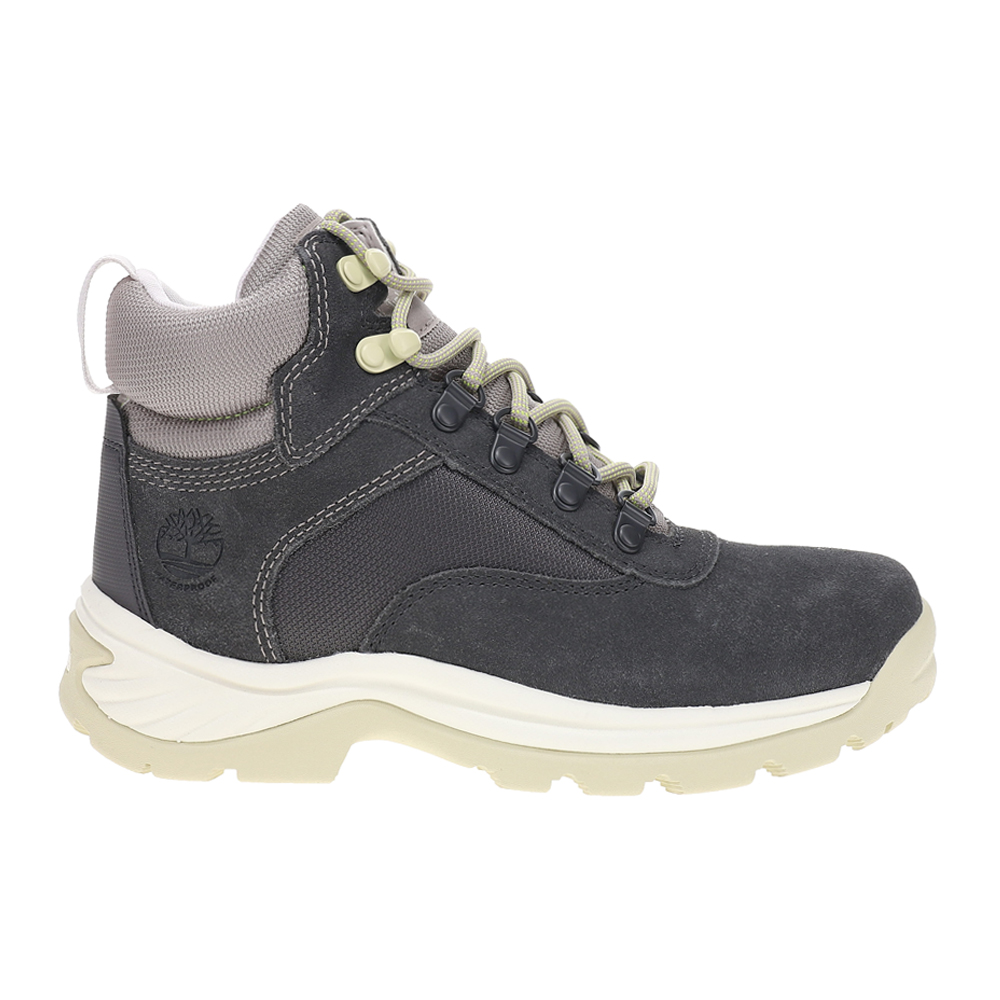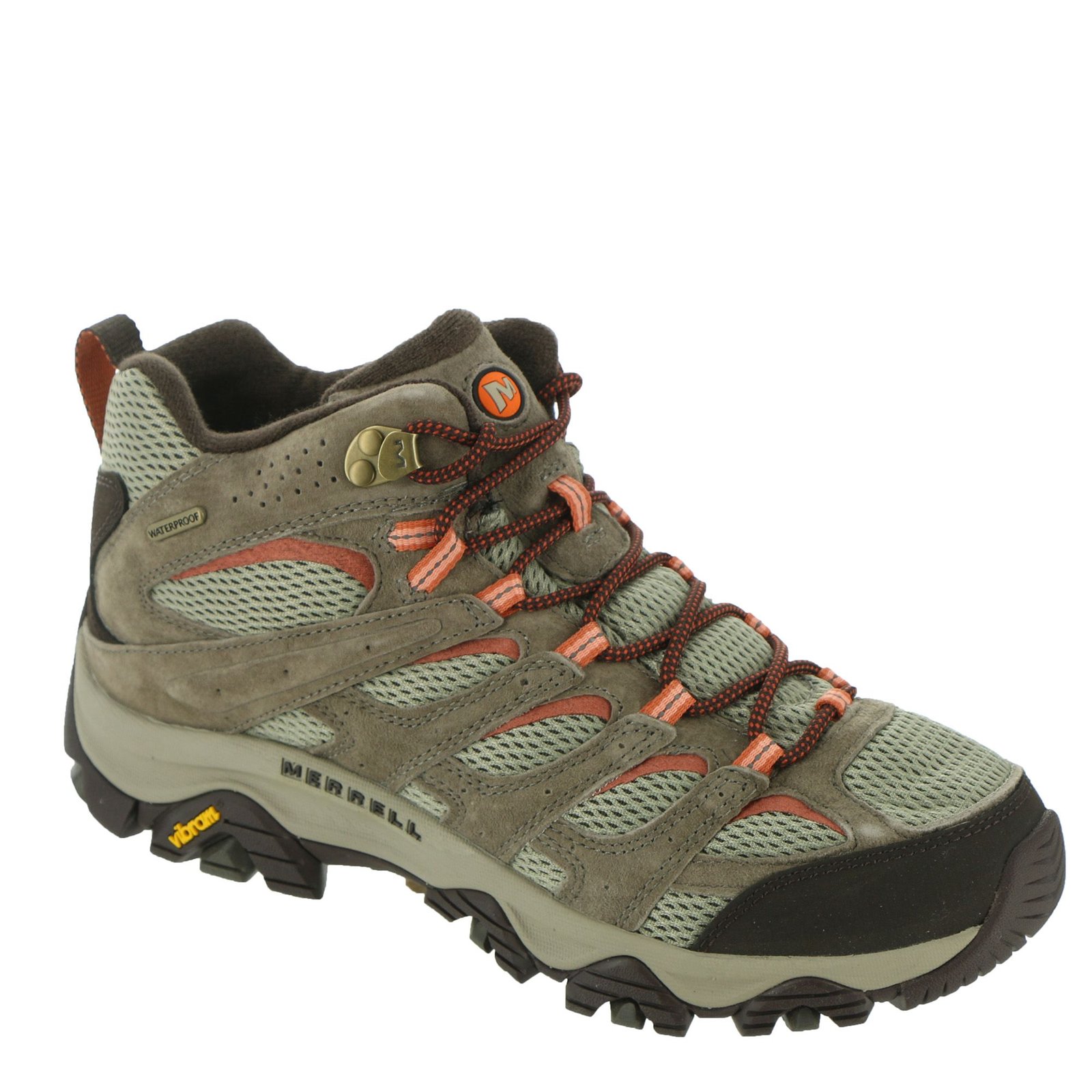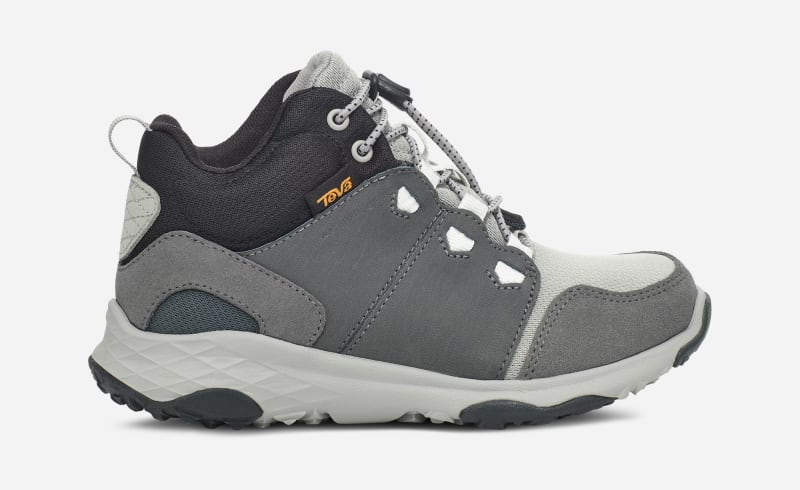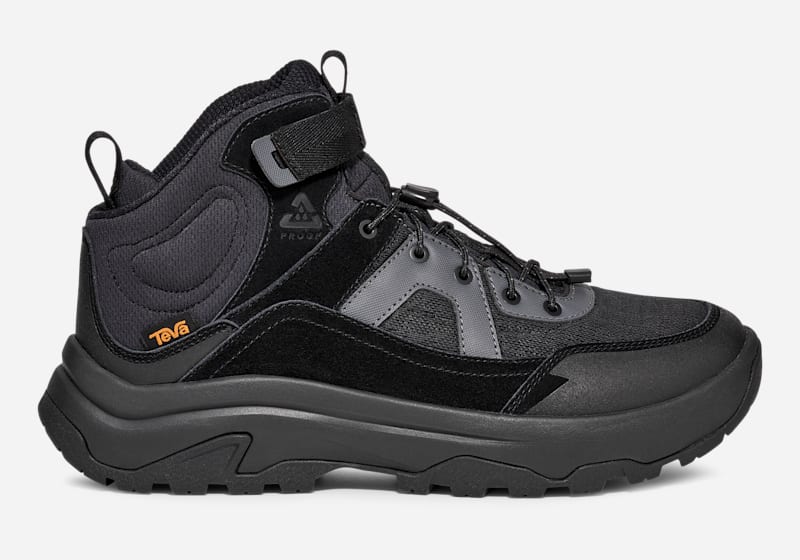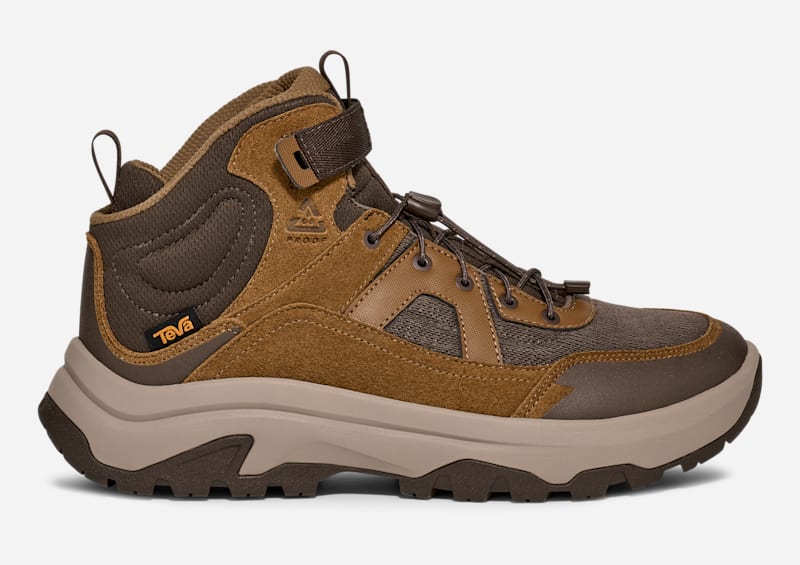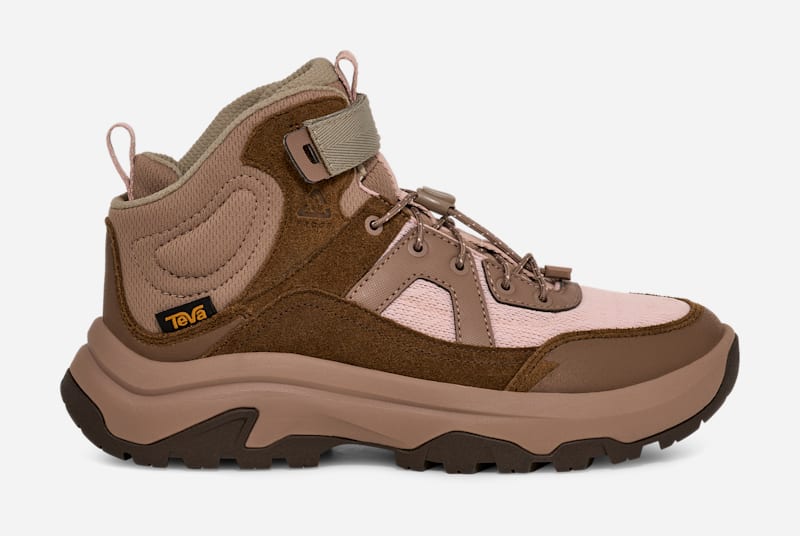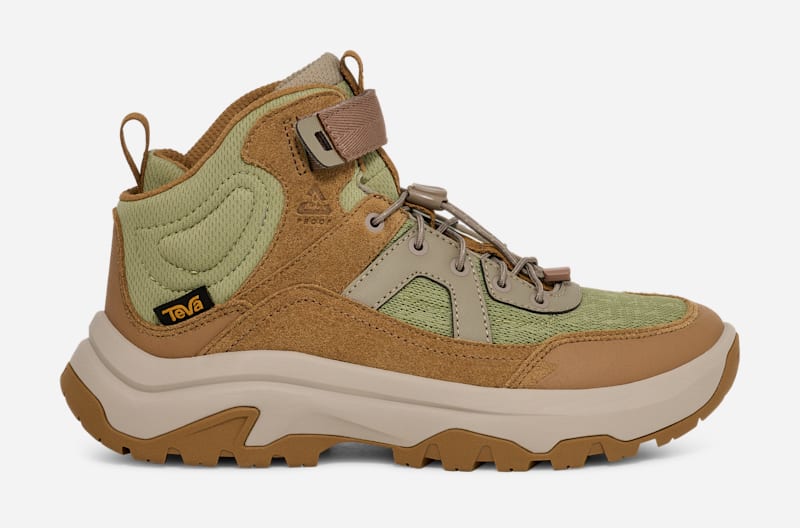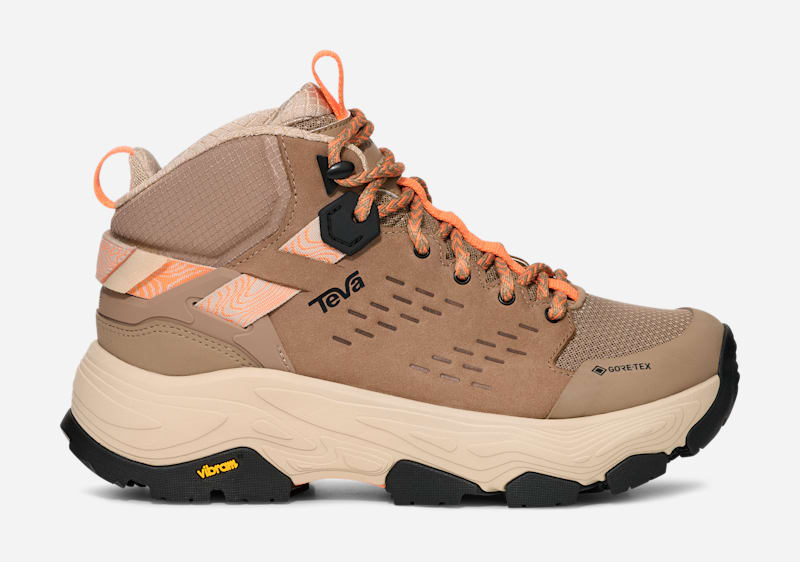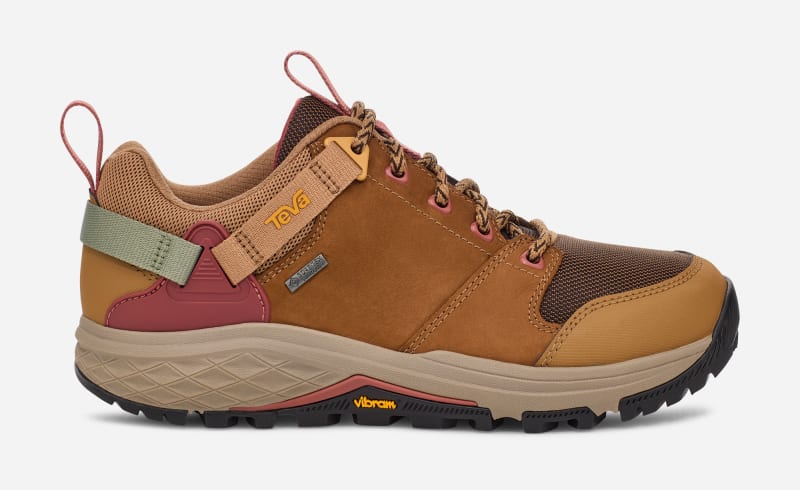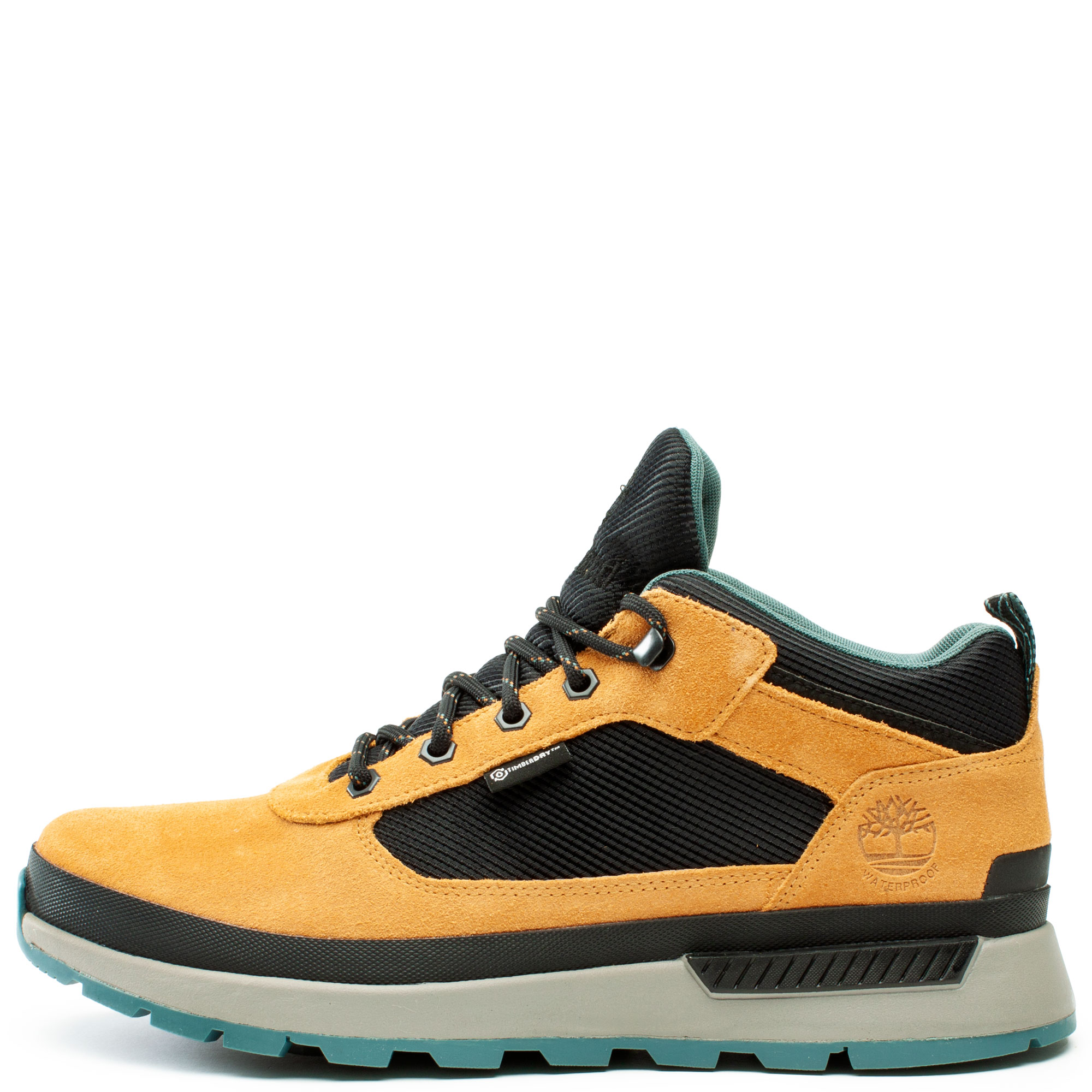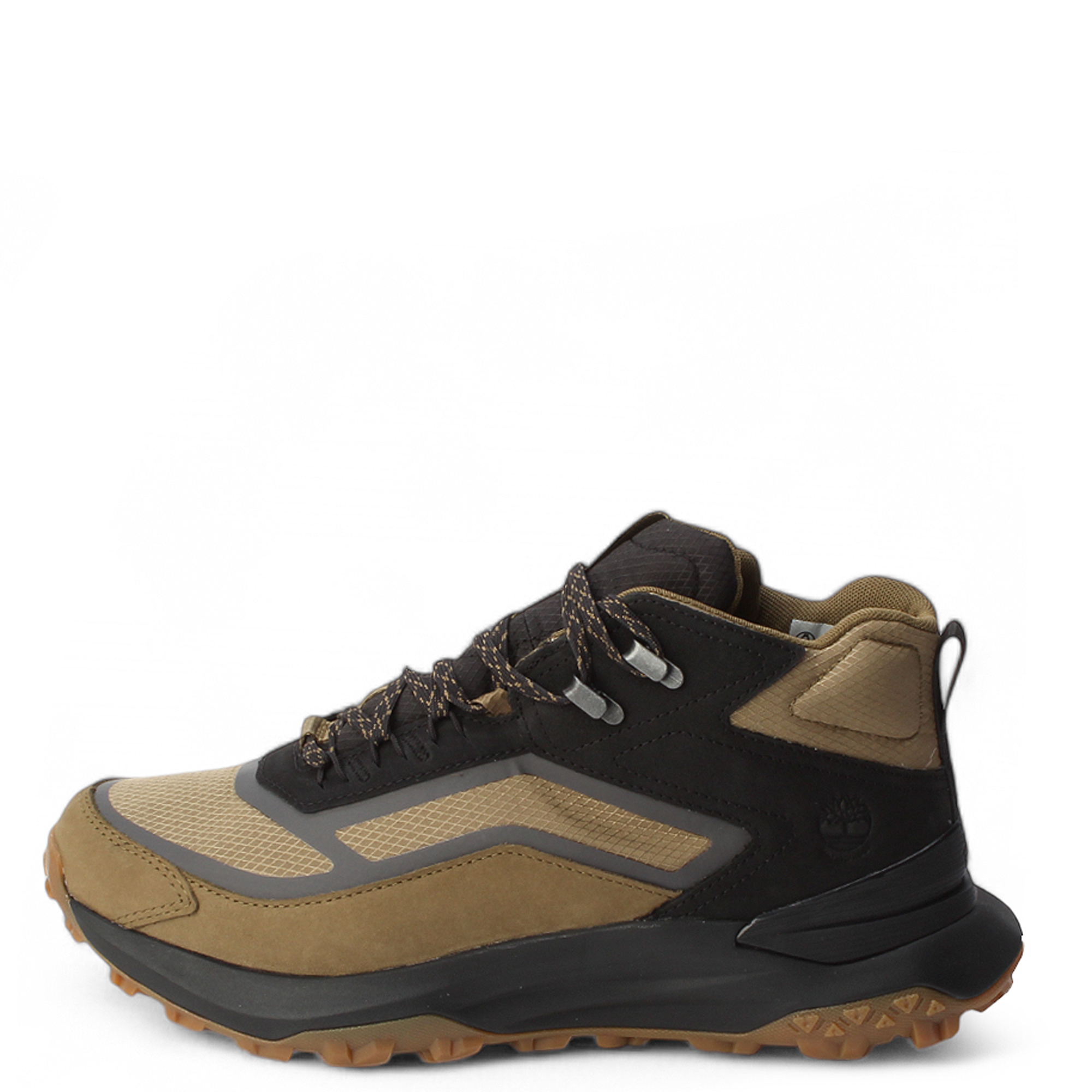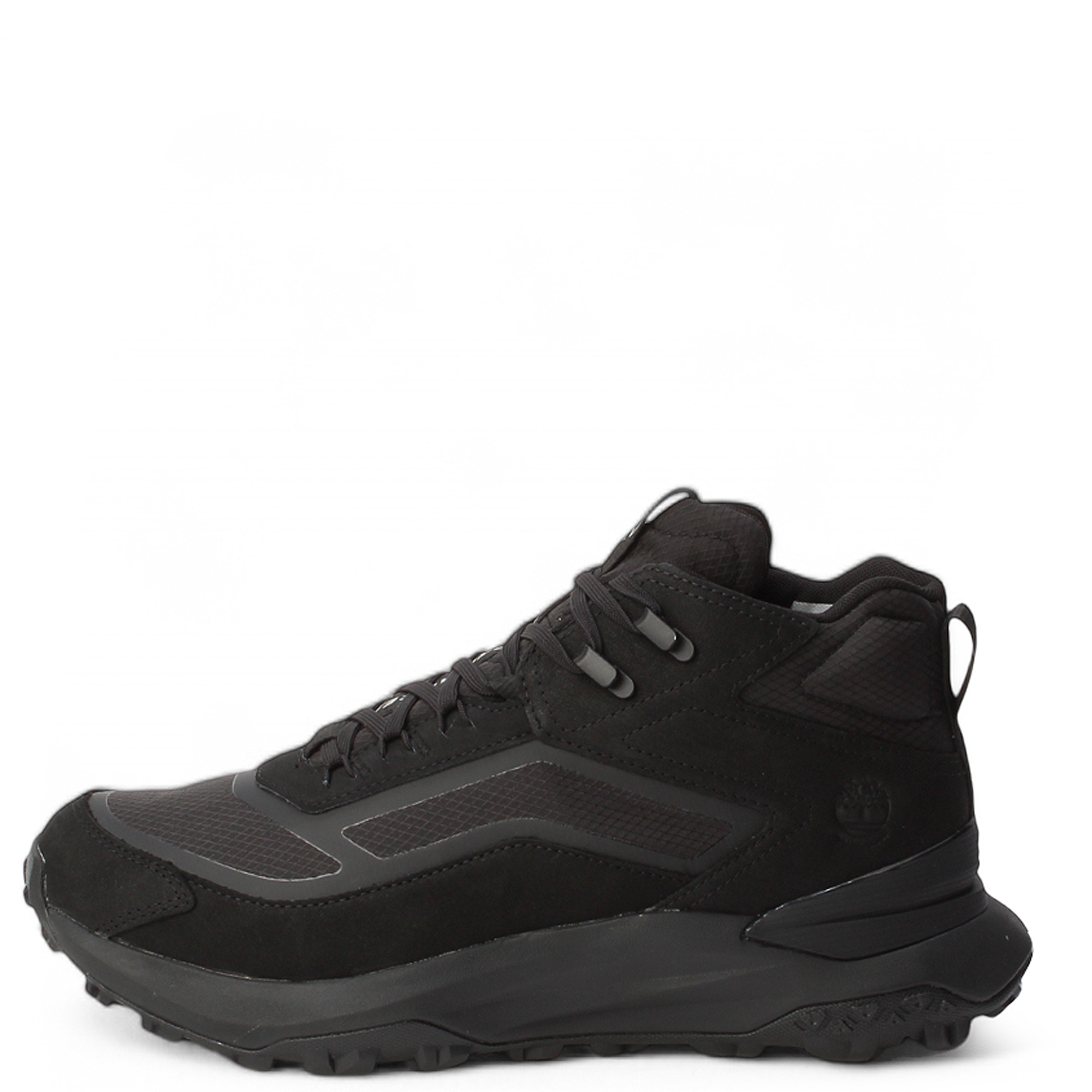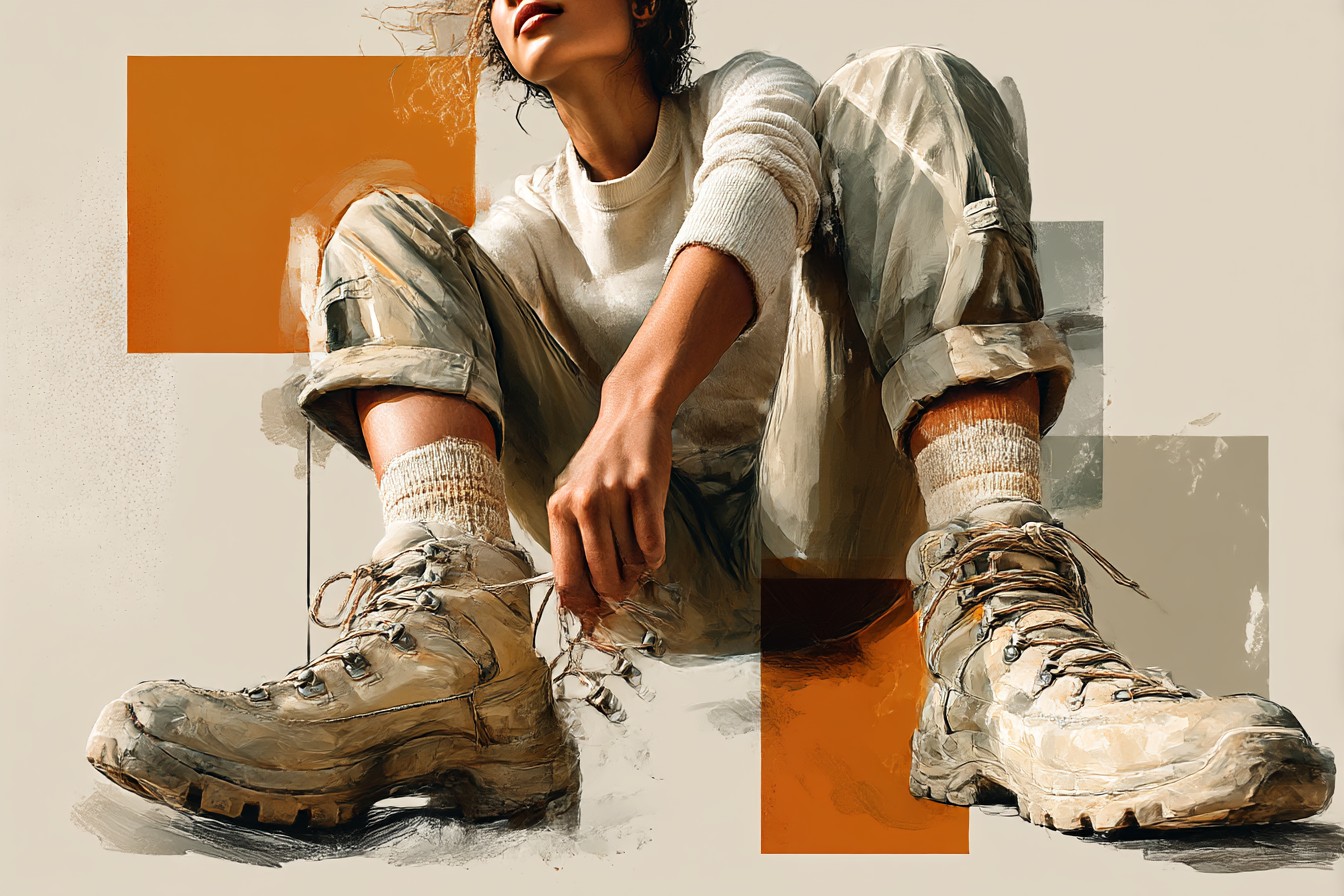
A good hiking boot is a piece of engineering before it is a piece of style, and that order of priorities should never be reversed. The sole matters more than almost anything else on it: a proper lugged rubber sole, deep and widely spaced, grips loose stone and wet ground in a way that a fashion-driven tread pattern simply cannot fake. Look at the ankle collar next. It should sit high enough to actually support the joint on uneven terrain, with padding that stops it rubbing the ankle bone raw on a long descent. Anything that ends at a low, trainer-like cut is not a hiking boot, whatever the label says. Materials tell the rest of the story.
Full grain leather takes longer to break in but rewards patience with structure and genuine water resistance once treated. Suede and nubuck are softer underfoot from day one but need more frequent reproofing. A membrane lining is worth having for anyone walking in weather that changes its mind, though it does mean the boot breathes less on warm days, which is a trade worth knowing about rather than discovering halfway up a hill.
Styling a hiking boot well is mostly about not overthinking the top half.
Cropped, straight leg trousers or a slightly shrunken denim let the boot’s bulk read as intentional rather than accidental, tucked or turned up just enough to show the collar and lacing. A midweight sock in a contrast colour, visible above the ankle, does more for the look than any accessory could. For anything approaching city wear, pair the boot with a longer coat or an oversized shirt jacket so the proportions balance out rather than fight each other. Wool trousers and a technical boot together read as considered rather than clashing, provided the palette stays quiet.
Occasion wise, this is not a boot to save for one big trip. The best ones earn their place through repeated, unglamorous use, wet weekends, muddy dog walks, the kind of coastal path that punishes soft shoes within twenty minutes. They also do a surprisingly good job of grounding a smarter outfit on a cold day, adding weight and presence where a trainer would look flimsy. Buy for the terrain first and the silhouette second, and the styling tends to sort itself out.
Top Picks