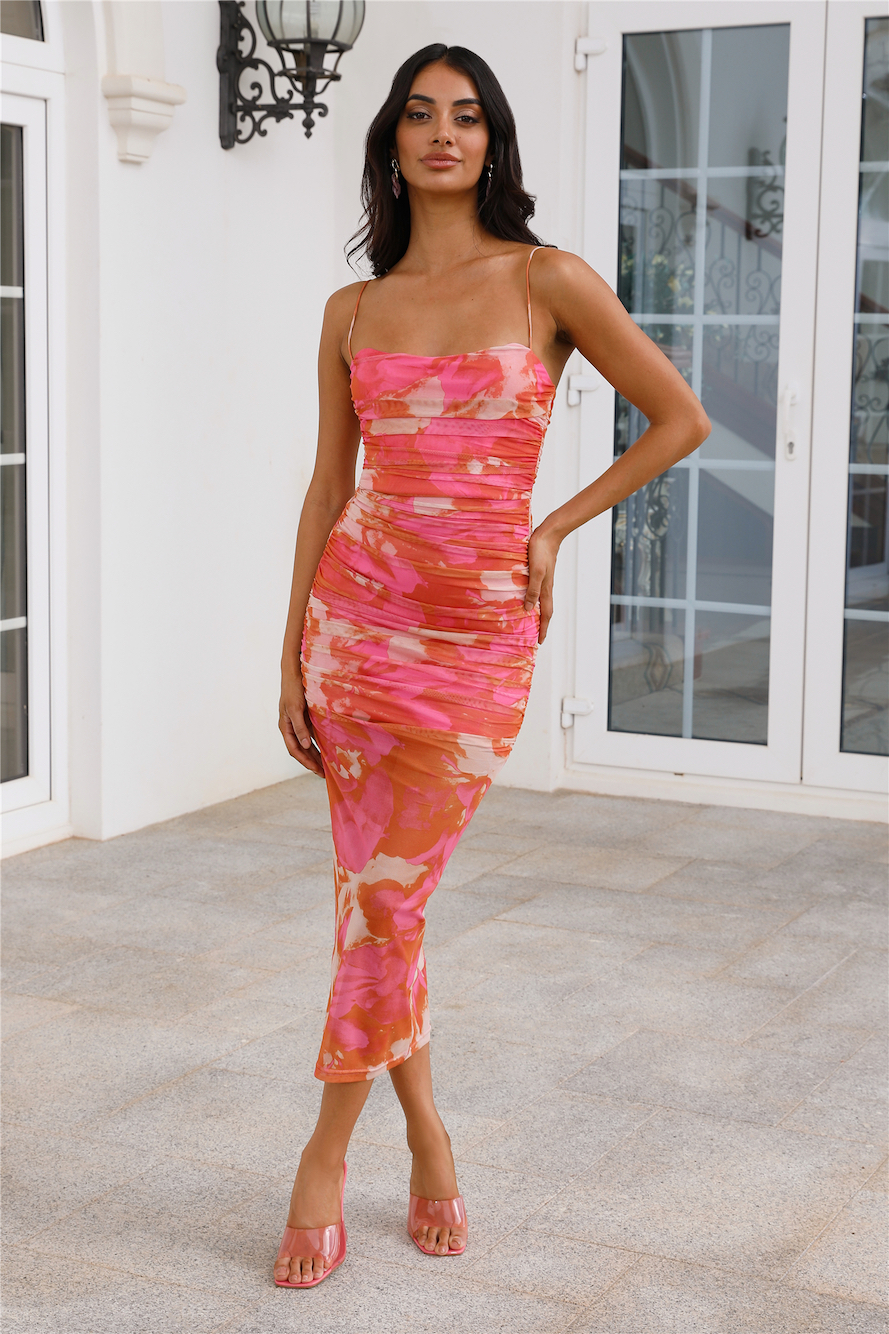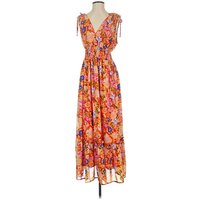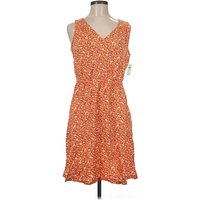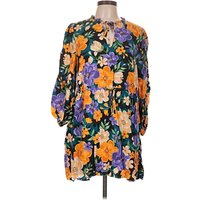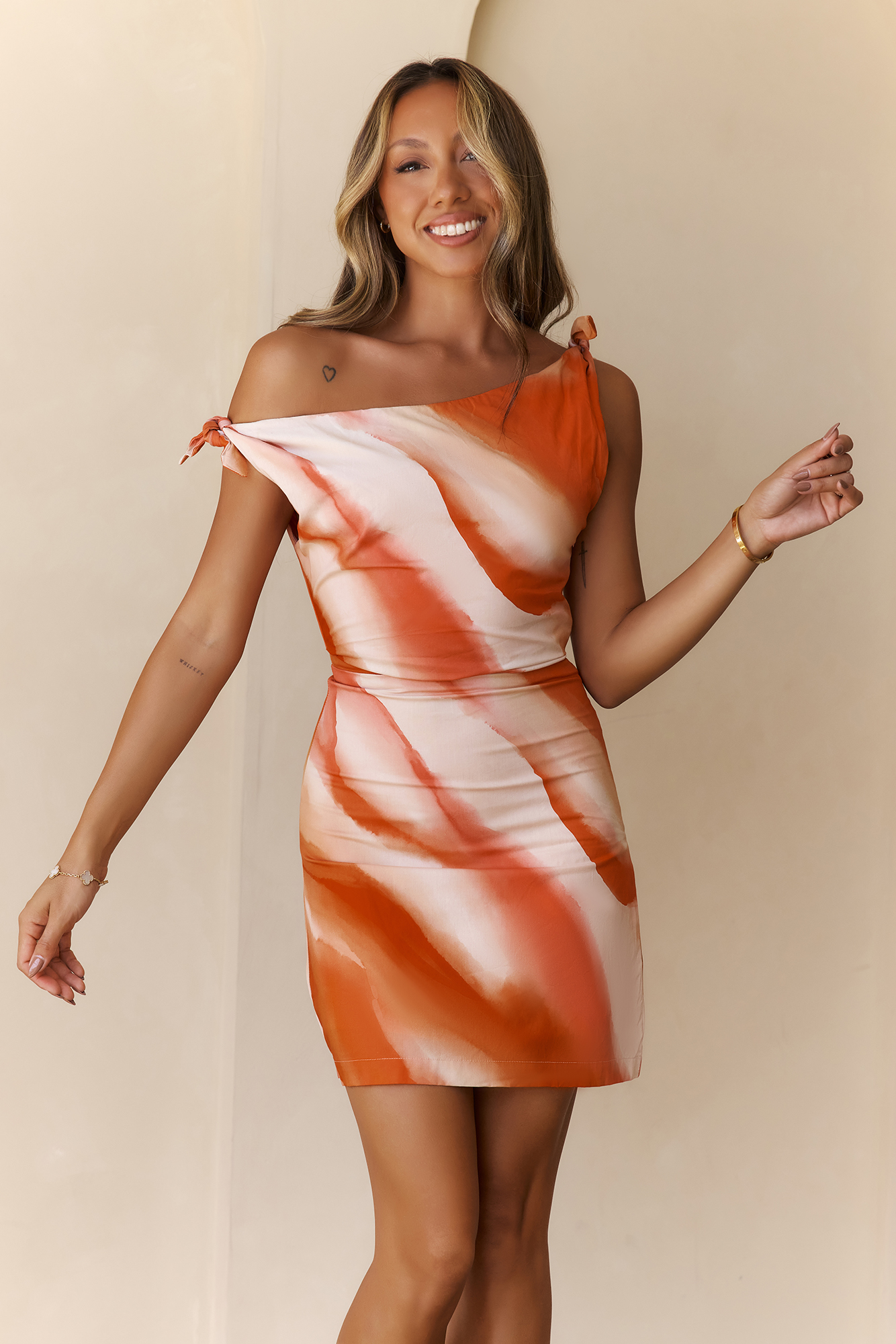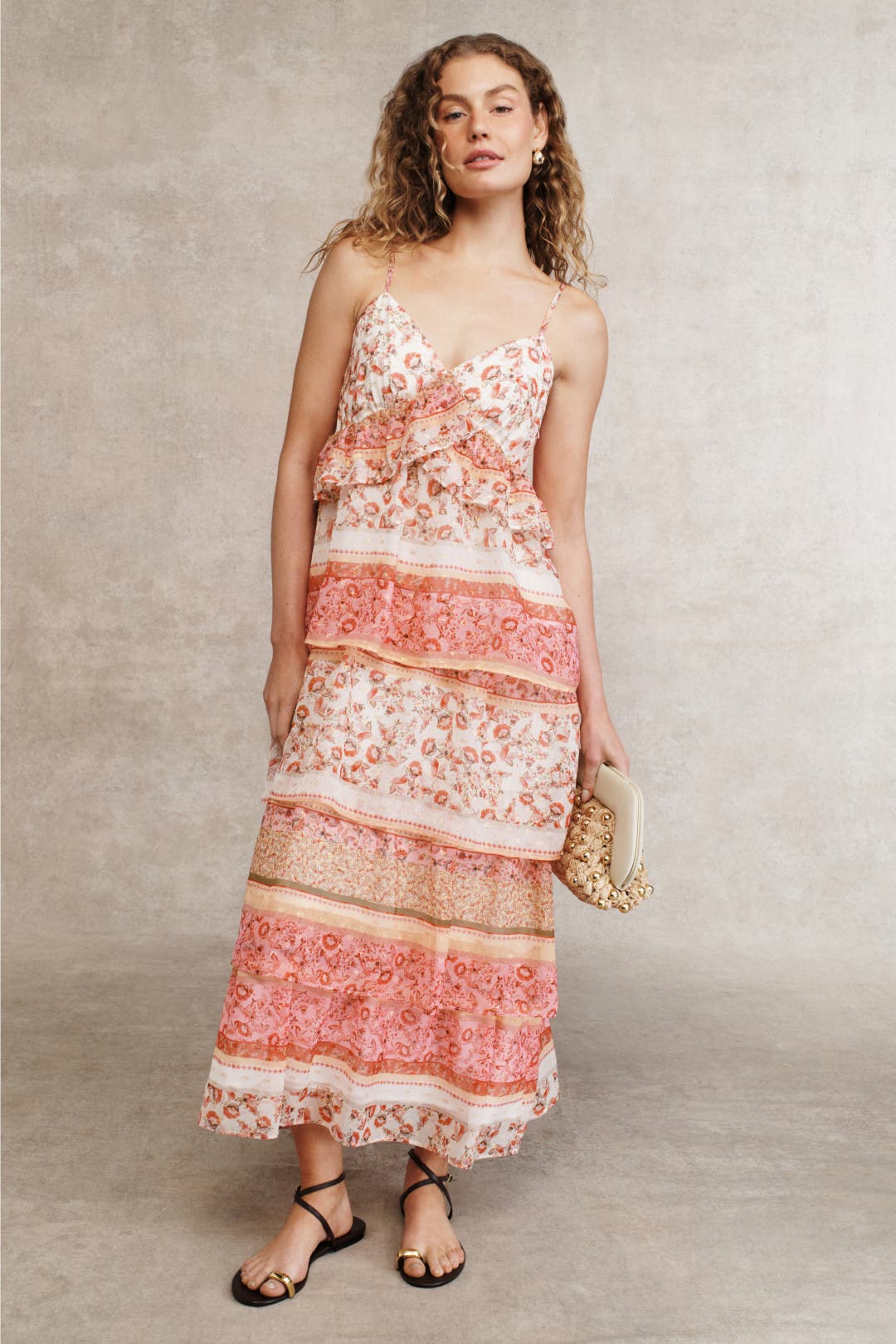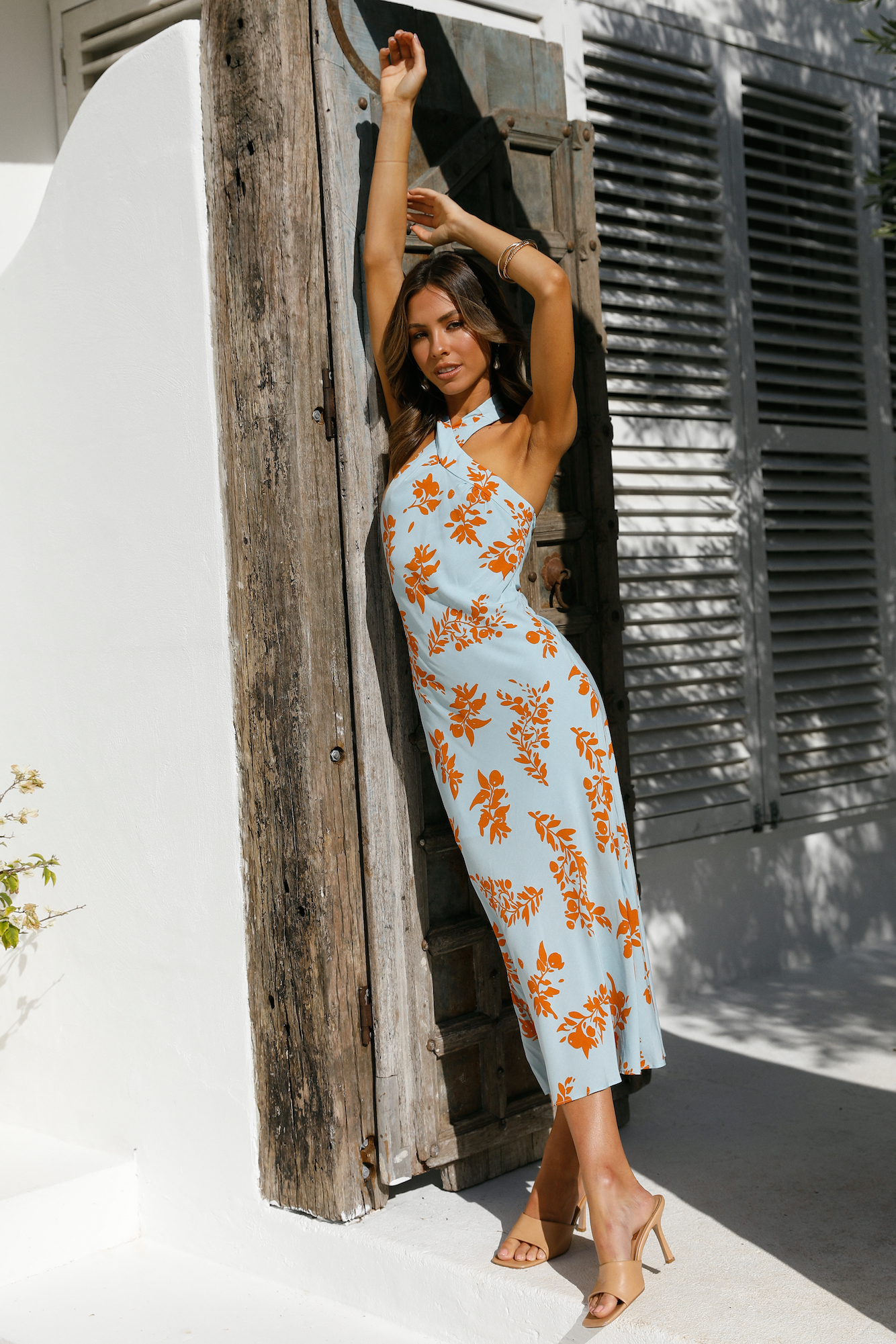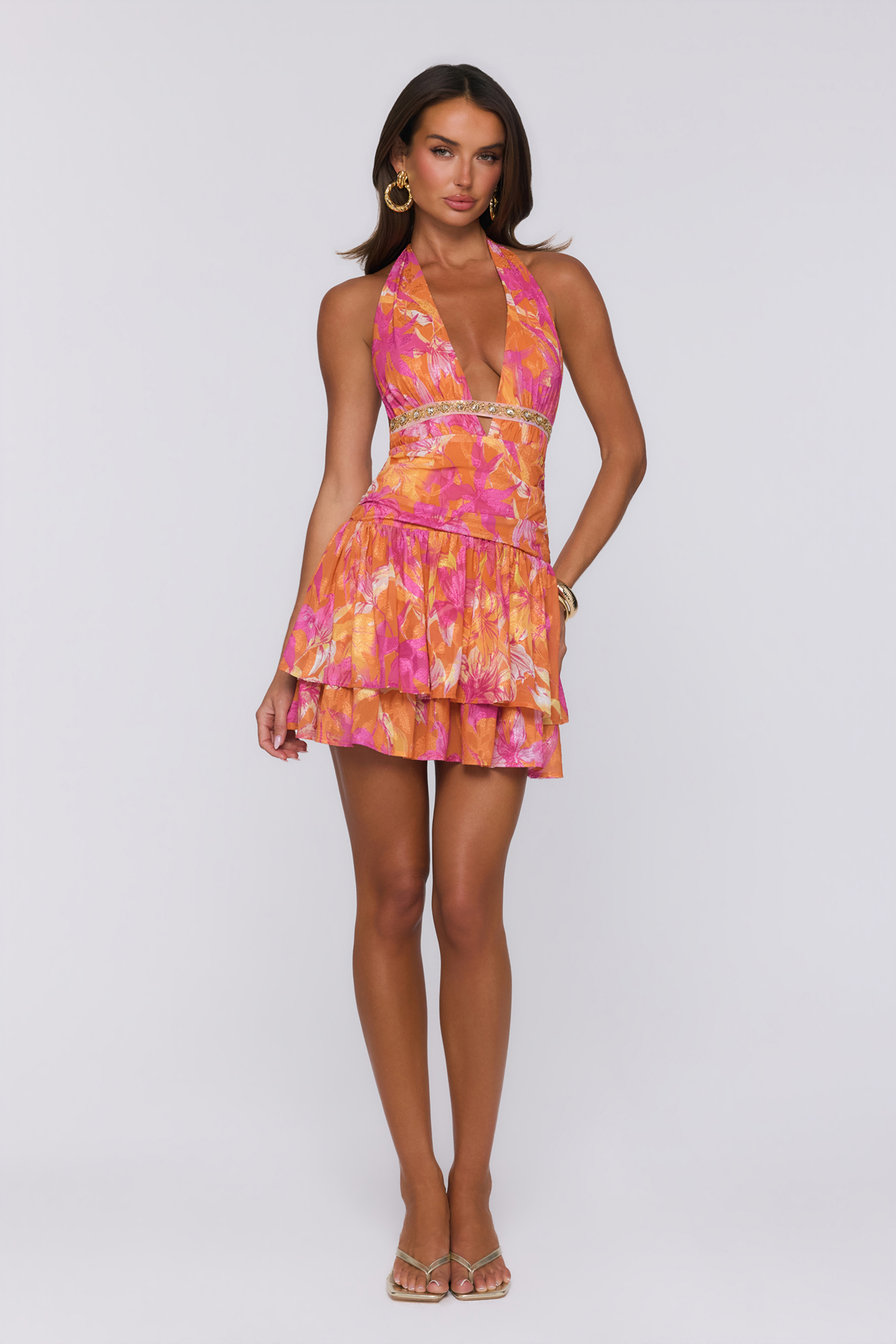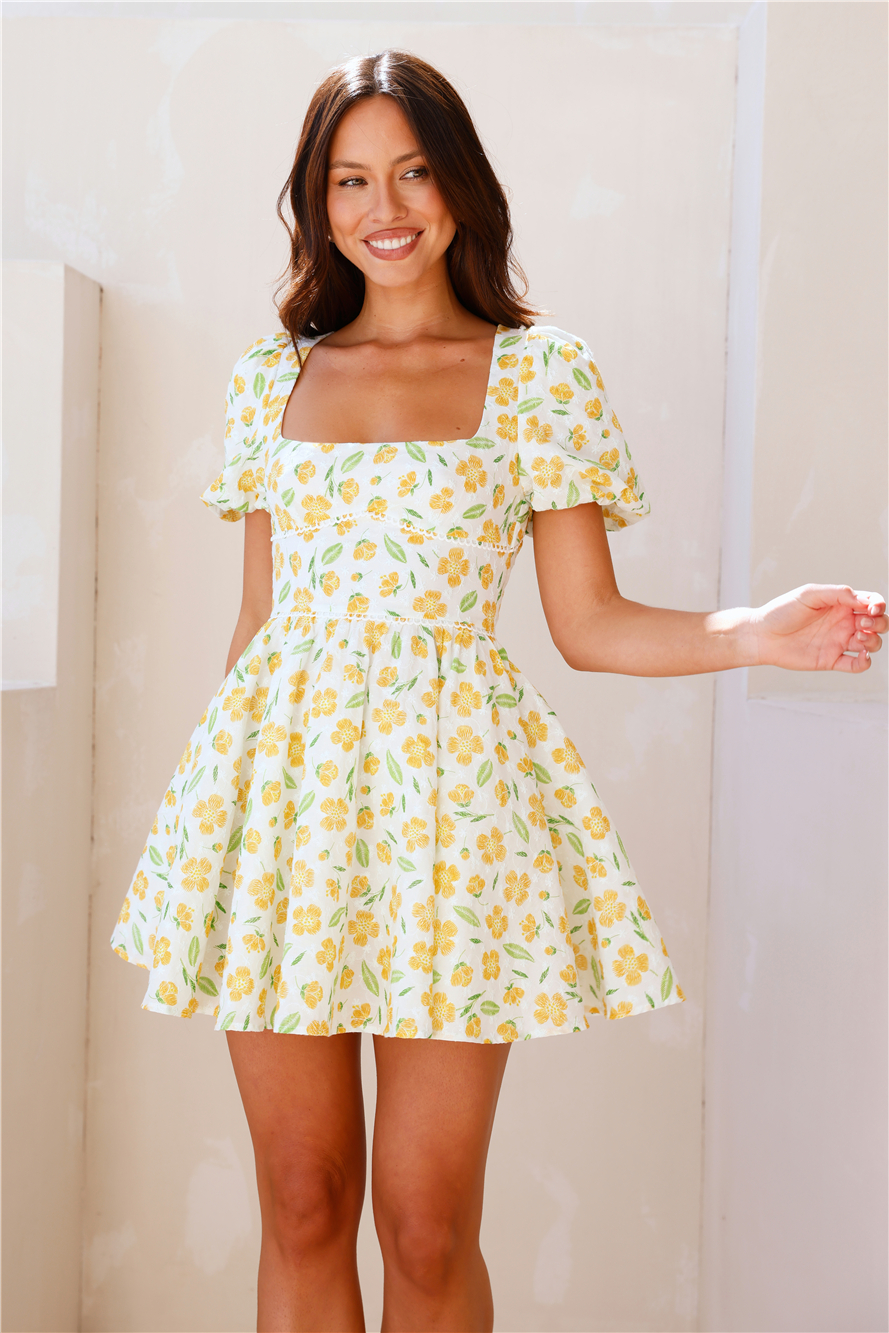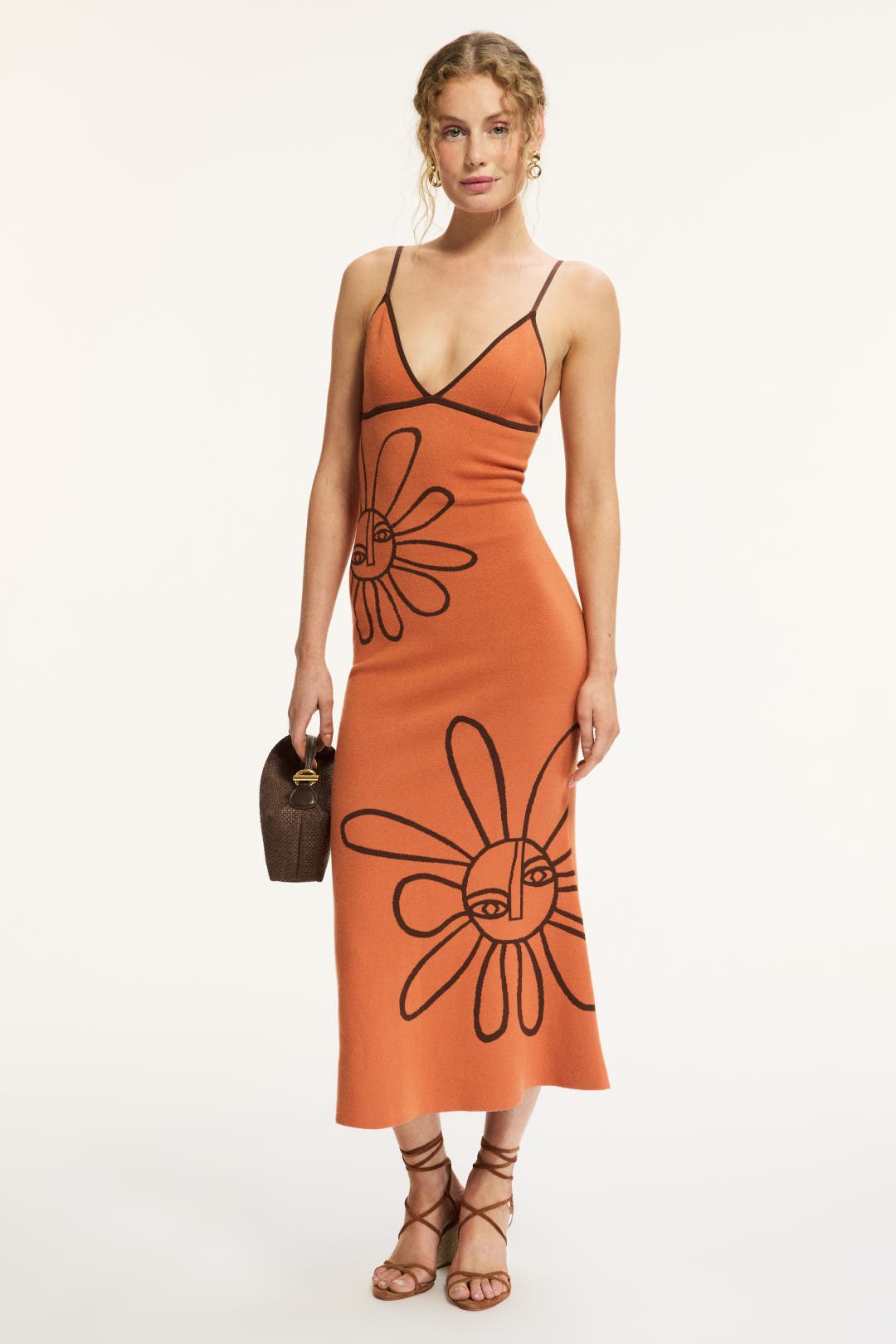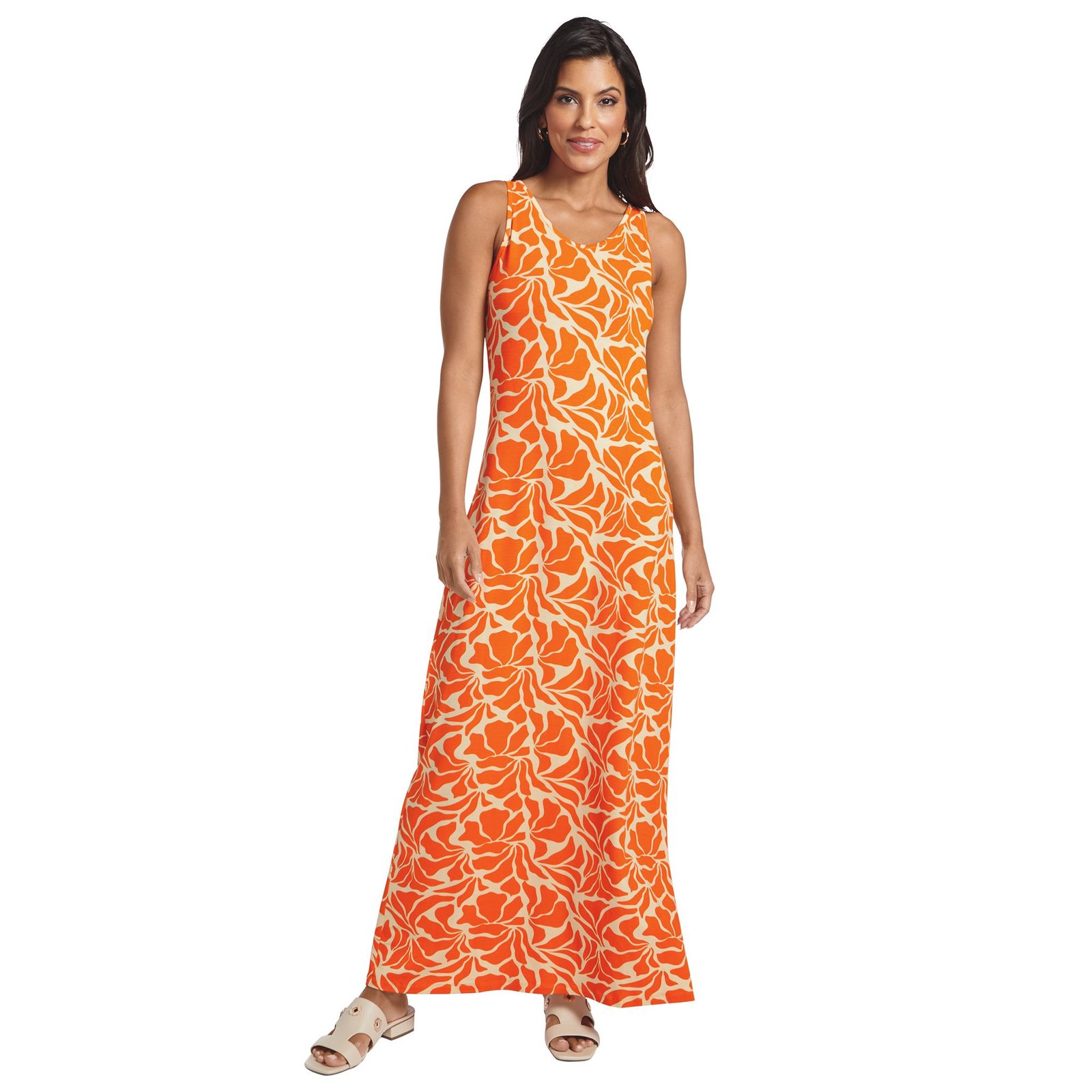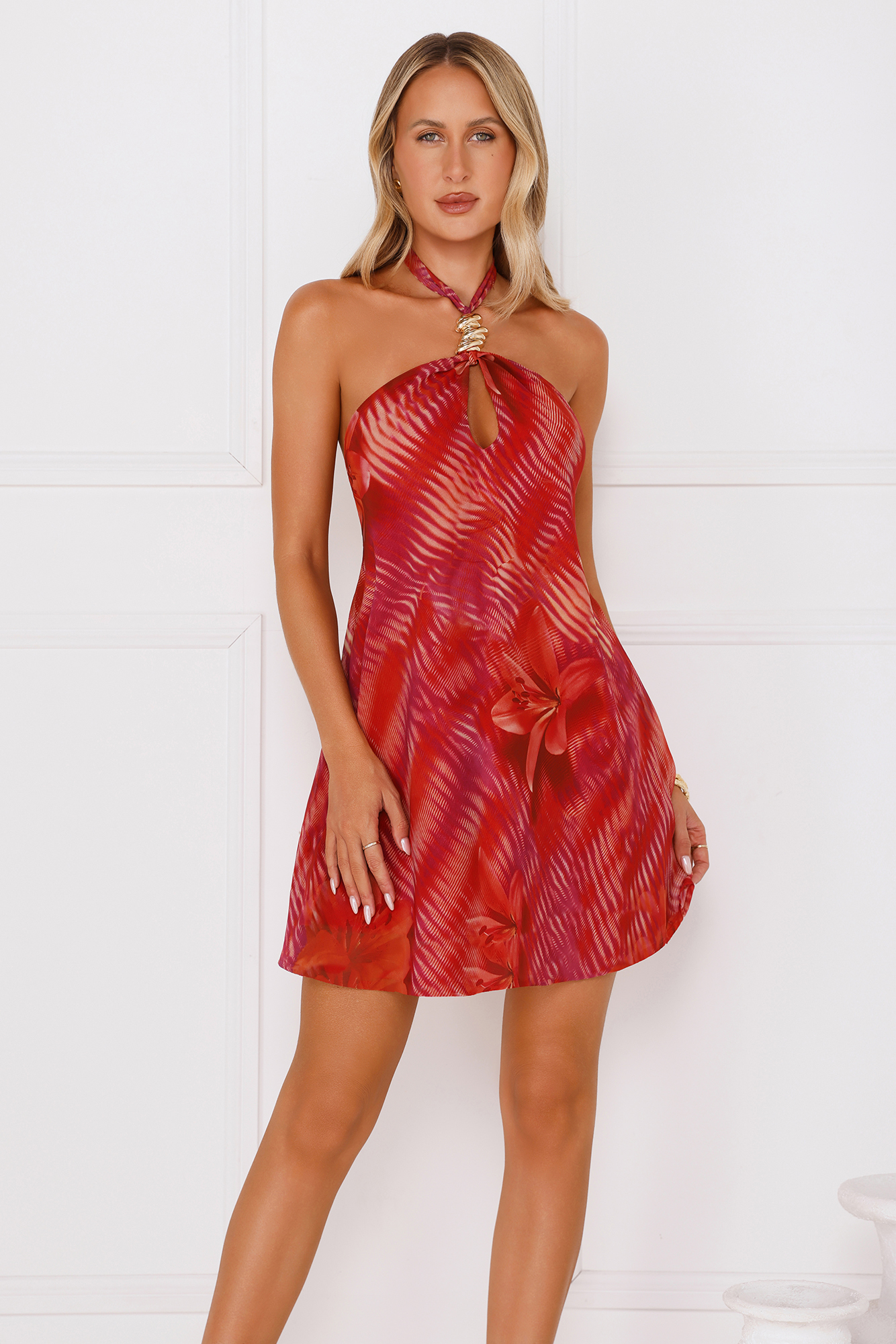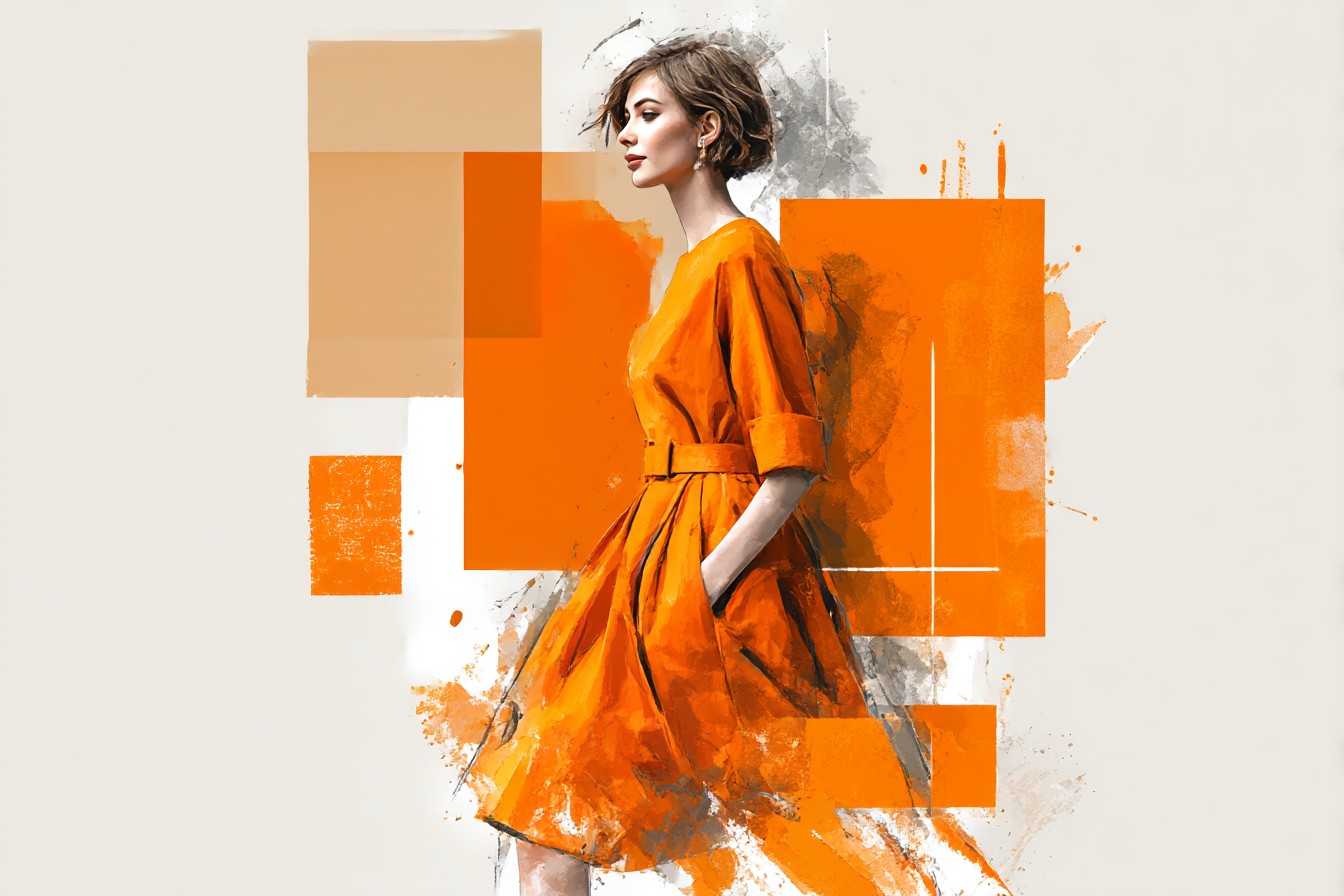
Orange is the shade that separates a dress people notice from a dress that simply gets worn, and the difference comes down to tone rather than daring. A true orange dress reads as confident, not costume, when the colour has some depth to it: a burnt or blood orange, a rust that leans toward terracotta, a marmalade tone with a little brown underneath it. The thin, sherbet oranges are harder to wear well and tend to flatten against the skin rather than warm it, which is why the better versions of this colour usually sit closer to autumn leaves than to a highlighter pen.
Fabric does a lot of the work here. Orange in a stiff, flat cotton can look like a uniform, but the same colour in a fluid crepe, a washed satin, or a softly textured linen blend moves with the body and catches light in a way that stops it looking one dimensional. A good orange dress also tends to have a considered neckline and a shape that does not fight the colour for attention, since a loud shade generally wants a cleaner silhouette, whether that is a slip cut, a wrap, or a simple shirt dress structure.
Bias cut hems and gently gathered waists tend to sit better in this colour than heavy pleating, which can make a bright dress feel overworked.
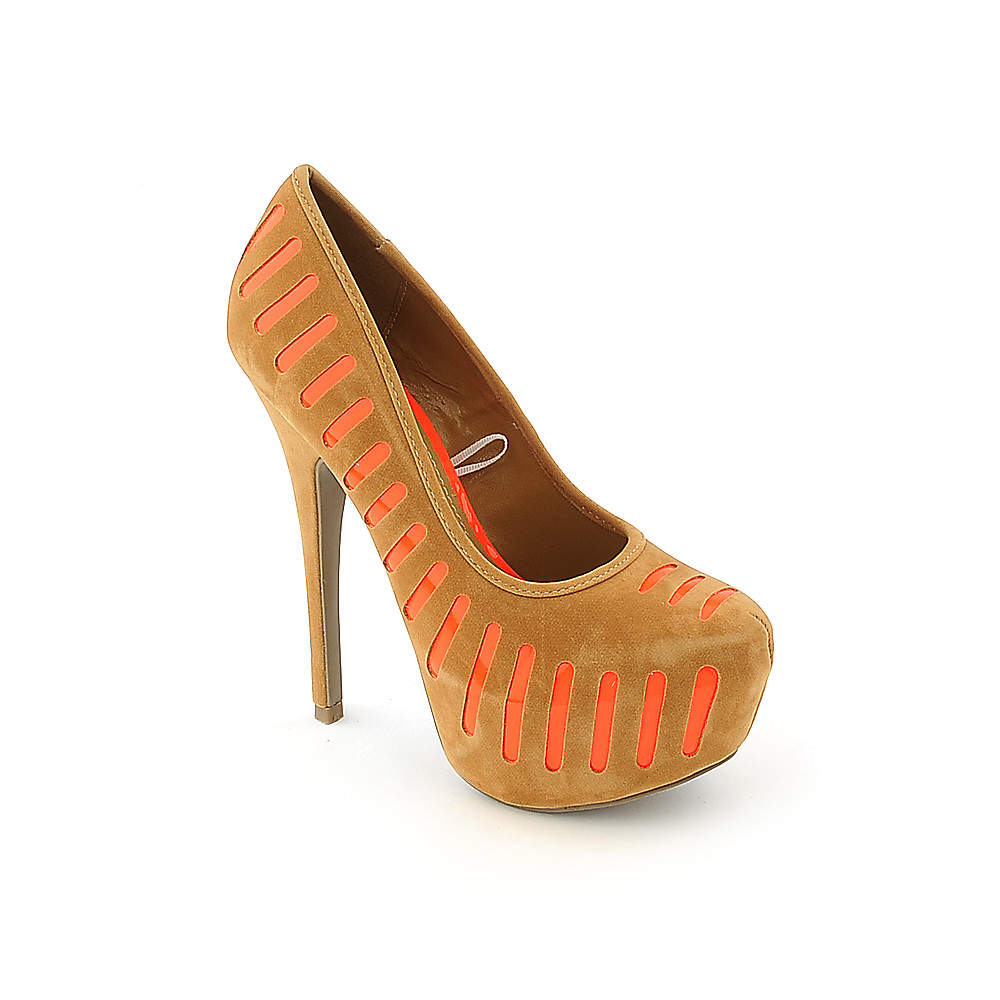
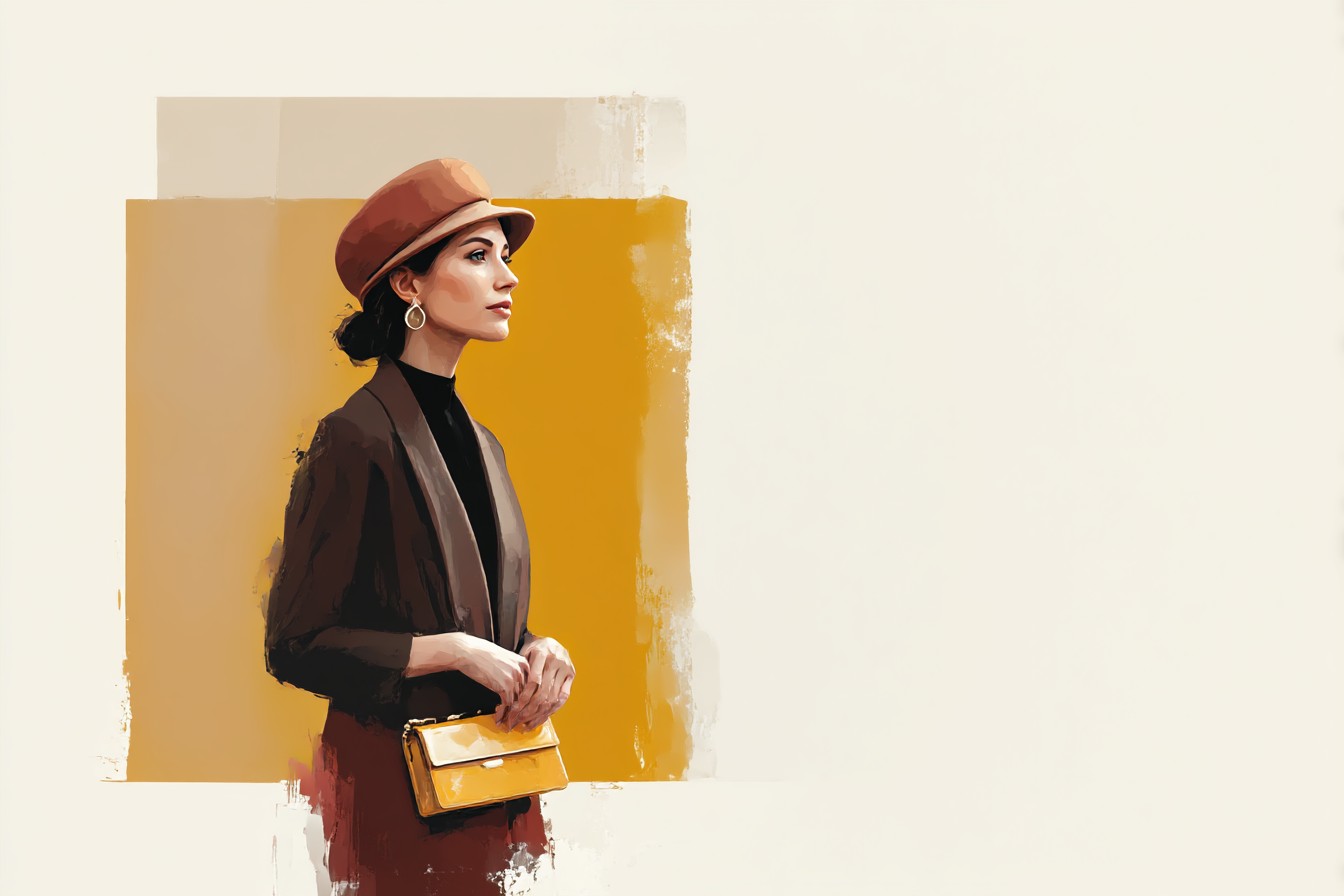
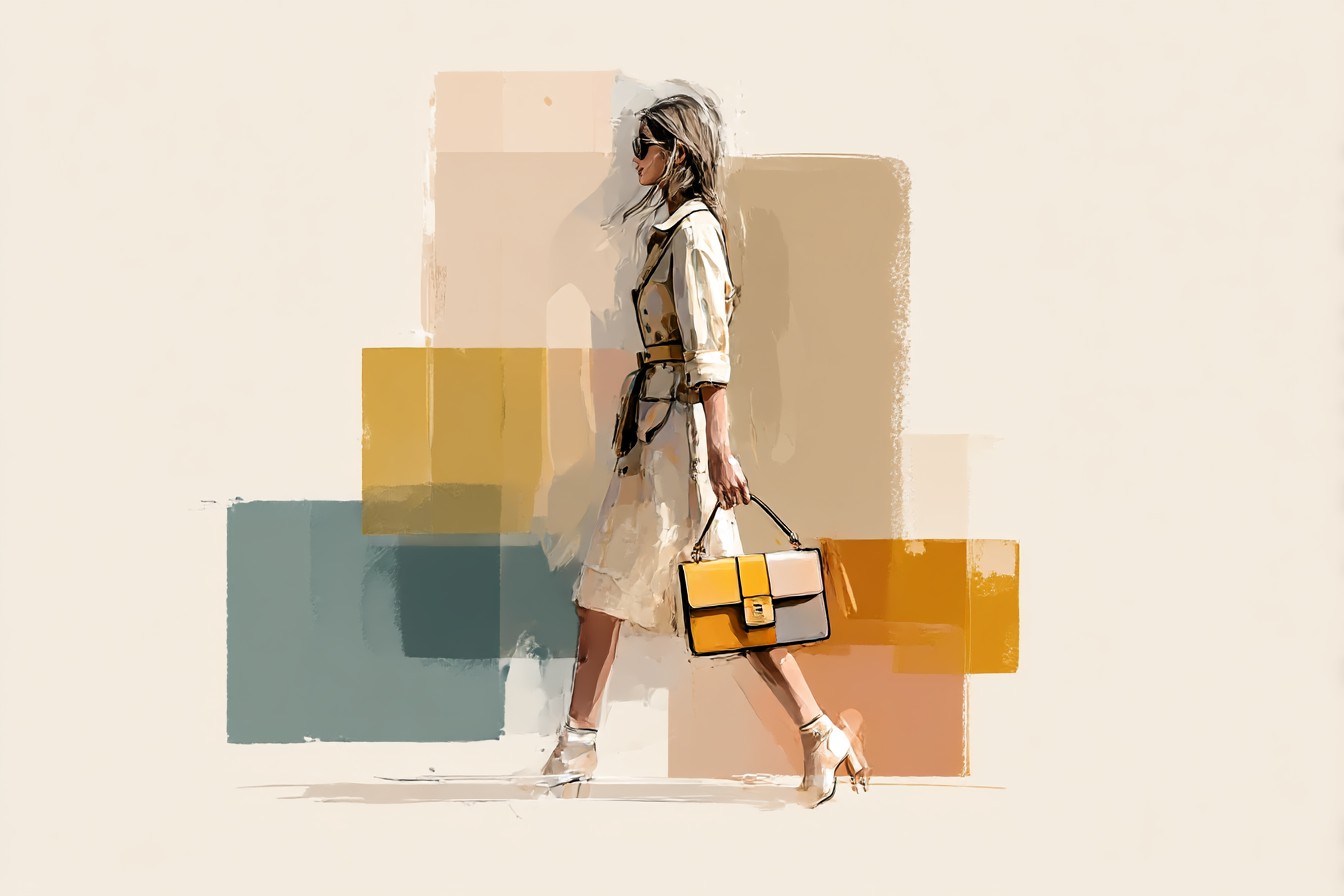
Styling it well is mostly about what you put around it rather than what you add to it. Neutral shoes and bags, in tan, chocolate, camel, or a soft white, let the dress carry the moment rather than compete with accessories.
Gold jewellery reads warmer against orange than silver does, and a good leather jacket or a camel coat over the top makes the colour look intentional rather than seasonal fancy dress. For daytime, orange works particularly well with denim layered underneath or over, taking the edge off anything too polished.
Occasion wise, this is a colour for events that want a bit of warmth and presence without full formality: late summer weddings, early autumn parties, long lunches, anything outdoors where the light will do the colour justice. It photographs well against green, against stone, against golden hour light, which is exactly why it keeps reappearing every year rather than fading into trend cycles.
Top Picks